How to Erase “No” From Your Vocabulary (And What to Say Instead)
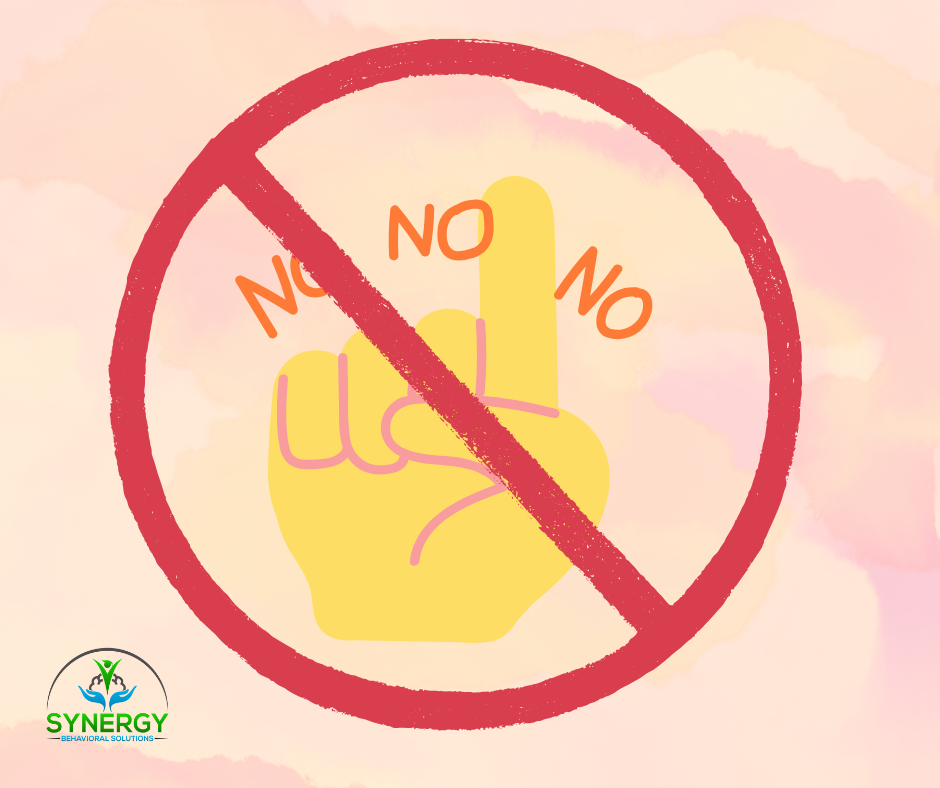
In parenting, teaching, and behavior support, the word “no” gets used more than we realize. It's quick, automatic, and often comes from a place of wanting to maintain control or prevent unsafe choices. But here’s the truth: saying "no" shuts down communication. It stops the interaction instead of teaching the expected behavior.
Kids don’t just need to hear what not to do—they need to clearly understand what TO do instead.
Why “No” Doesn’t Work (From a Behavioral Perspective)
When children hear “no,” they often:
- Tune us out (because they've heard it a thousand times).
- Experience an attention-based power struggle.
- Get frustrated without a clear alternative.
- Repeat the behavior because they were told what to stop—but not what to start.
ABA Principle: We increase the behaviors we reinforce. If we constantly draw attention to the incorrect behavior (“Stop running!”), we are accidentally reinforcing it with attention instead of shaping the desired response (“Use walking feet”).
So, What Do You Say Instead?
Replacing “no” is all about redirection and instruction.
Instead of Saying...Try Saying... (Replacement Language)
x “No running!” ---> + “Use your walking feet.”
x “Don't Yell” ---> + “Use a calm voice so I can understand you.”
x “Stop grabbing!” ---> + “Hands in your lap/Ask for a turn.”
x “No, you can't have that now.” ---> + “You can have it after dinner/first homework, then tablet.”
x “Stop arguing.” ---> +“Take a breath and try again with respectful words.”
x “No hitting!” ---> +“Hands are for helping—show me gentle hands.”
These phrases do more than block behavior—they teach, which increases compliance and reduces frustration.
The Power of the “YES Framework”
You’re not erasing “no”—you’re replacing it with Yes, BUT here’s how/when.
✅ YES, after… – “Yes, we can go outside after shoes are on.”
✅ YES, with safety… – “Yes, you can jump when your body is on the mat.”
✅ YES, with limits… – “Yes, you can pick one treat.”
This small shift lowers resistance because children feel heard and know you’re working with them—not just controlling them.
Teach Boundaries with Choice Instead of “No”
Try using choice-based direction:
- “Do you want to walk on your own or hold my hand?”
- “Red chair or blue chair?”
- “You can say ‘Help me’ or take a break.”
Choice gives control within structure, reducing defiance and power struggles.
When You Do Need to Say No
Of course, safety matters. Instead of a harsh or reactive “NO!”, pair it with redirection:
🚫 “No!”
✅ “Stop—hands back. That’s not safe. Try placing it gently like this.”
This maintains authority without shutting down learning.
How to Start This Shift Today
Here's a simple 3-step script to help erase “no”
- Pause before reacting (catch the automatic “no”).
- State what TO do instead.
- Reinforce immediately when the child follows through.
Example:
Child reaches for something breakable.
Pause. “Close hands, let’s look with eyes only.”
Child complies.
Reinforce: “Nice looking with your eyes—that keeps it safe!”
Final Thought: “No” is a Stop Sign. Language Should Be a Guide.
Our words can either block or build behavior. When we shift from control language to teaching language, we create more cooperation, more confidence, and fewer power struggles.
Kids don’t need more “No.”
They need more leadership through clear expectations.